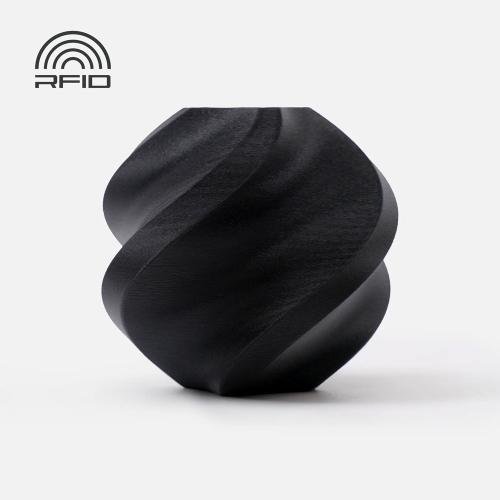
Bambu Lab ASA
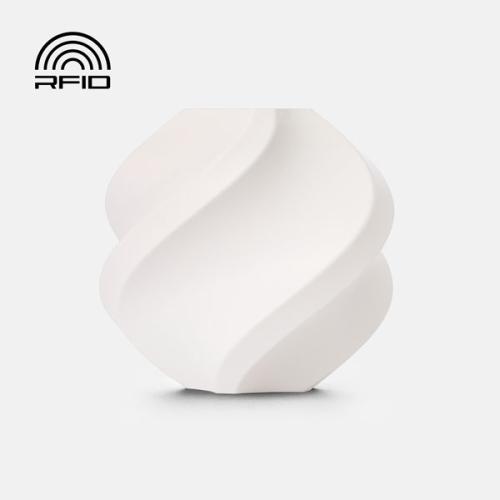
Bambu Lab ASA is filament for parts that need to withstand sun, rain, and heat outdoors. You use it for garden accessories, housings, and practical outdoor parts. The material combines toughness with good UV and weather resistance. Choose from standard ASA, ASA-CF for extra stiffness, or ASA Aero for lightweight models. Use a suitable, enclosed printer and ensure good ventilation.


What makes Bambu Lab ASA different from ABS?
The main difference between ASA and ABS is resistance to sunlight and weathering. ASA is more resistant to UV radiation. As a result, it is more suitable for parts that remain outdoors for extended periods.
Bambu Lab ABS is a versatile choice for technical parts, especially indoors. ASA offers similar application possibilities, with extra protection against aging from sunlight. This helps limit discoloration and embrittlement of outdoor parts.
Both materials require attention to temperature and bed adhesion during printing. Therefore, ASA is not an easier-to-print version of ABS. Choose primarily based on the environment in which you will use your part.
Suitable for outdoor use
A component in the garden is exposed to sun, rain, and fluctuating temperatures. It can also heat up considerably on a balcony or against an exterior wall. Bambu Lab ASA has been developed for such conditions.
The material combines UV resistance with resistance to moisture and heat. As a result, it is suitable for applications where standard PLA is less suitable. Think of a sensor holder that hangs outdoors all year round.
The design also remains important. Choose sufficient wall thickness and prevent areas where water may collect unintentionally. After all, weather-resistant material does not automatically make a printed housing watertight. Seams, screw holes, and cable entries require proper sealing.
Which projects can you print with Bambu Lab ASA?
ASA is suitable for many practical projects that require maintaining their form and function outdoors. You can use it to replace parts, create a suitable holder, or test your own design. For example:
- Garden accessories: plant labels, mounting clips, and holders for lightweight accessories.
- Sensor housings: enclosures and mounting brackets for weather stations and outdoor measurements.
- Balcony accessories: cable guides, end caps and mounting parts.
- Parts for outdoor equipment: knobs, covers, and holders exposed to sunlight.
- Car accessories: matching trim caps and holders, tailored to temperature and load.
- Model building: light aircraft parts with ASA Aero, when the design is suitable for this.
When starting a new design, make a test piece first. Check the fit, attachment, and expected load. This way, you discover early on whether you need to adjust the design.
Printing with Bambu Lab ASA: what to look out for?
ASA shrinks during cooling. With large temperature differences, a print can warp or tear between the layers. A stable print environment and good adhesion to the bed help limit this.
Use a closed printer
Print ASA in a suitable, enclosed 3D printer with a heated print bed. The housing keeps the temperature around your model stable. A Bambu Lab P1S, for example, is suitable for standard ASA. For special variants, also check the requirements for the nozzle and extruder.
Keep the printer closed while printing and prevent drafts along the model. Opening a window next to the build plate can actually cause unwanted cooling. Ventilate the workspace without allowing cold air to flow directly over the print.
Choose the right material profile
Start with the profile for your ASA variant in Bambu Studio. Also select the correct printer, nozzle, and build plate. Use their own profiles for ASA-CF and ASA Aero.
For standard Bambu Lab ASA, the manufacturer specifies a nozzle temperature of 240 to 270 °C. The recommended bed temperature with glue is 80 to 100 °C. Follow the settings for your printer and build plate. These values do not automatically apply to every ASA variant.
Pay attention to adhesion, cooling, and storage
- Clean the construction board. Grease and dirt can cause corners to come loose.
- Use the recommended adhesive. Check which adhesive is suitable for your construction board and ASA variant.
- Add a brim if necessary. This extra edge increases contact with the build board.
- Choose the infill carefully. Large, solid prints can build up more tension during cooling.
- Use appropriate cooling. Use the fan settings from the material profile as a starting point.
- Store filament dry. If necessary, dry it according to the instructions for your material and drying device.
Allow the model to cool down gradually after printing. Only remove it when the build plate has cooled sufficiently. This helps prevent deformation and damage when removing it.
Ensure good ventilation
When printing ASA, odors and emissions are released. Therefore, use a well-ventilated workspace. A closed printer helps keep the print temperature stable, but does not replace room ventilation.
Buying Bambu Lab ASA: choose the right variant
First, determine which property your part needs. Are you primarily looking for weather resistance, extra stiffness, or low weight? These variants will help you choose:
| Variant | Key feature | Suitable applications |
|---|---|---|
| ASA | Tough, UV-resistant, and weather-resistant. | Outdoor housings, holders, covers and garden accessories. |
| ASA-CF | Carbon fibers provide extra stiffness and less distortion during printing. | Brackets, mounting parts, and housings that must deflect less. |
| ASA Aero | Foams up during printing, allowing you to create lighter models. | RC airplanes and other projects where weight is important. |
ASA-CF is stiffer, but less impact-resistant than standard ASA. Therefore, do not automatically choose this variant for parts that take a lot of hits. Use a suitable hardened steel nozzle and check the wear resistance of your extruder.
With ASA Aero, temperature and material throughput influence how much the filament foams. This requires a suitable profile and design. As a result, it is a more specialized material than standard ASA.
Next, select the color and check if a bobbin is included. For a refill, you need a matching, reusable bobbin. Not every variant is available in both versions. Also, check the required quantity in your slicer and take supports and test prints into account.
Order Bambu Lab ASA from Elektronica voor jou
Elektronica Voor Jou is an official Bambu Lab reseller in the Netherlands. We stock standard ASA, ASA-CF, and ASA Aero. View the colors, version, and current availability for each product.
If you order a product that is in stock on a working day before 16:00, we will ship it the same day. Pickup in Leusden is also possible. Unsure about the material or your printer? Contact us for help with your choice.
Frequently asked questions about Bambu Lab ASA
Is Bambu Lab ASA better for outdoor use than ABS?
Yes, especially when a part is exposed to sunlight for extended periods. ASA is more resistant to UV radiation and weathering. For indoor technical parts, ABS may already be sufficient.
Do I need an enclosure to print ASA?
For reliable results, use a suitable, enclosed printer. The housing limits drafts and keeps the temperature around the model stable. This reduces the risk of warping and cracking. Larger prints, in particular, benefit from this.
Can I use Bambu Lab ASA for car parts?
ASA may be suitable for certain accessories, trim caps, and holders. Always check the temperature, mounting, and load at that location. Do not use self-printed parts for safety-critical functions, such as brakes or steering components. Heat resistance alone does not make a print suitable for every application in a car.
Is Bambu Lab ASA suitable for beginners?
ASA asks