
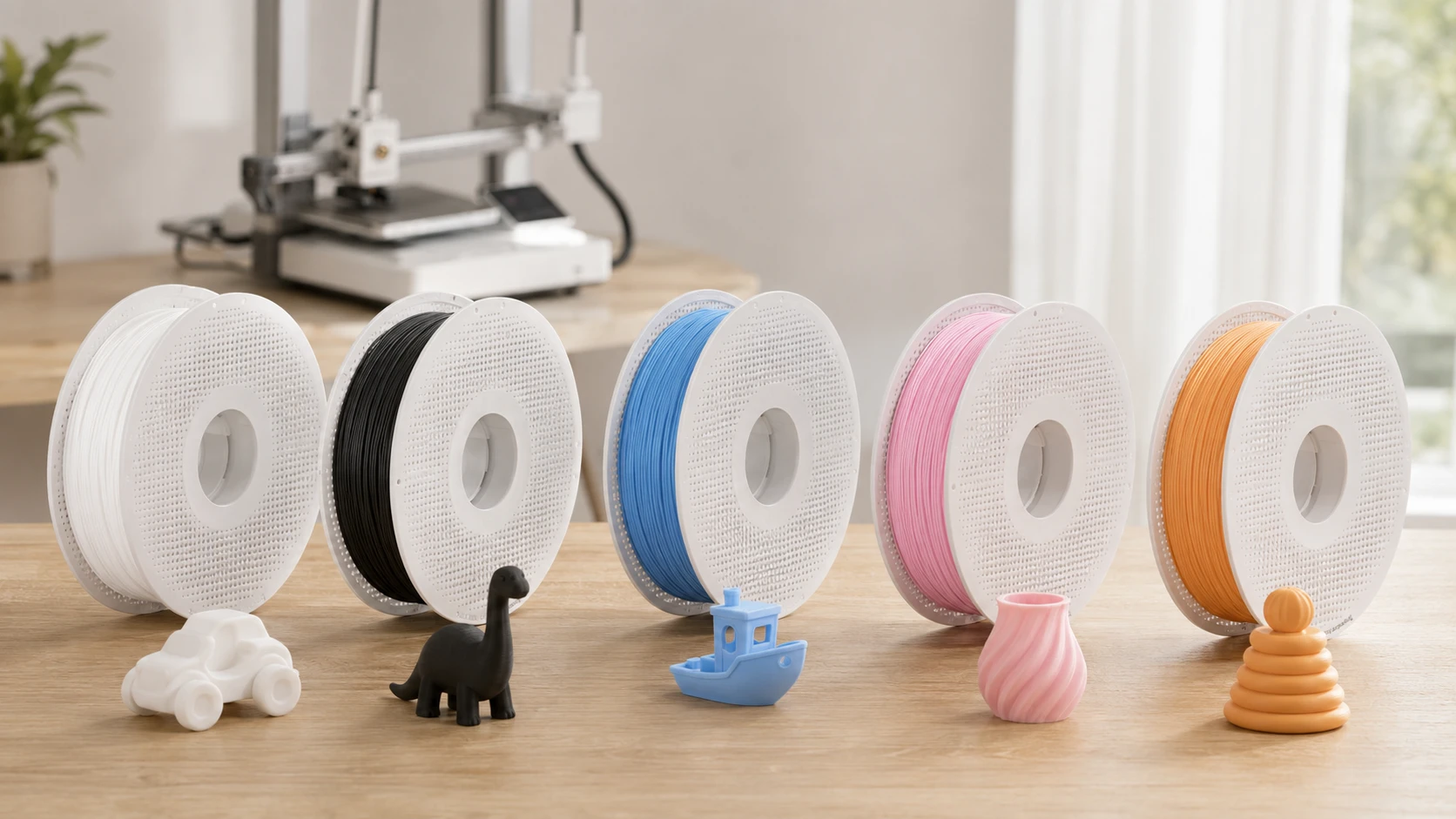
Bambu Lab PLA Pure: filament for toys and food contact
Bambu Lab PLA Pure is PLA filament for makers who want to work consciously with materials. It is suitable for standard 3D prints. However, it is particularly interesting for toys, school projects, and prints that may come into contact with food.
Bambu Lab developed PLA Pure for home use. The filament consists of five ingredients. According to Bambu Lab, the pigments also meet the requirements for EU food contact.
That makes PLA Pure different from standard PLA filament. You are not just choosing a nice color or a low price. You are also choosing a filament with test documentation for food contact and toy material.
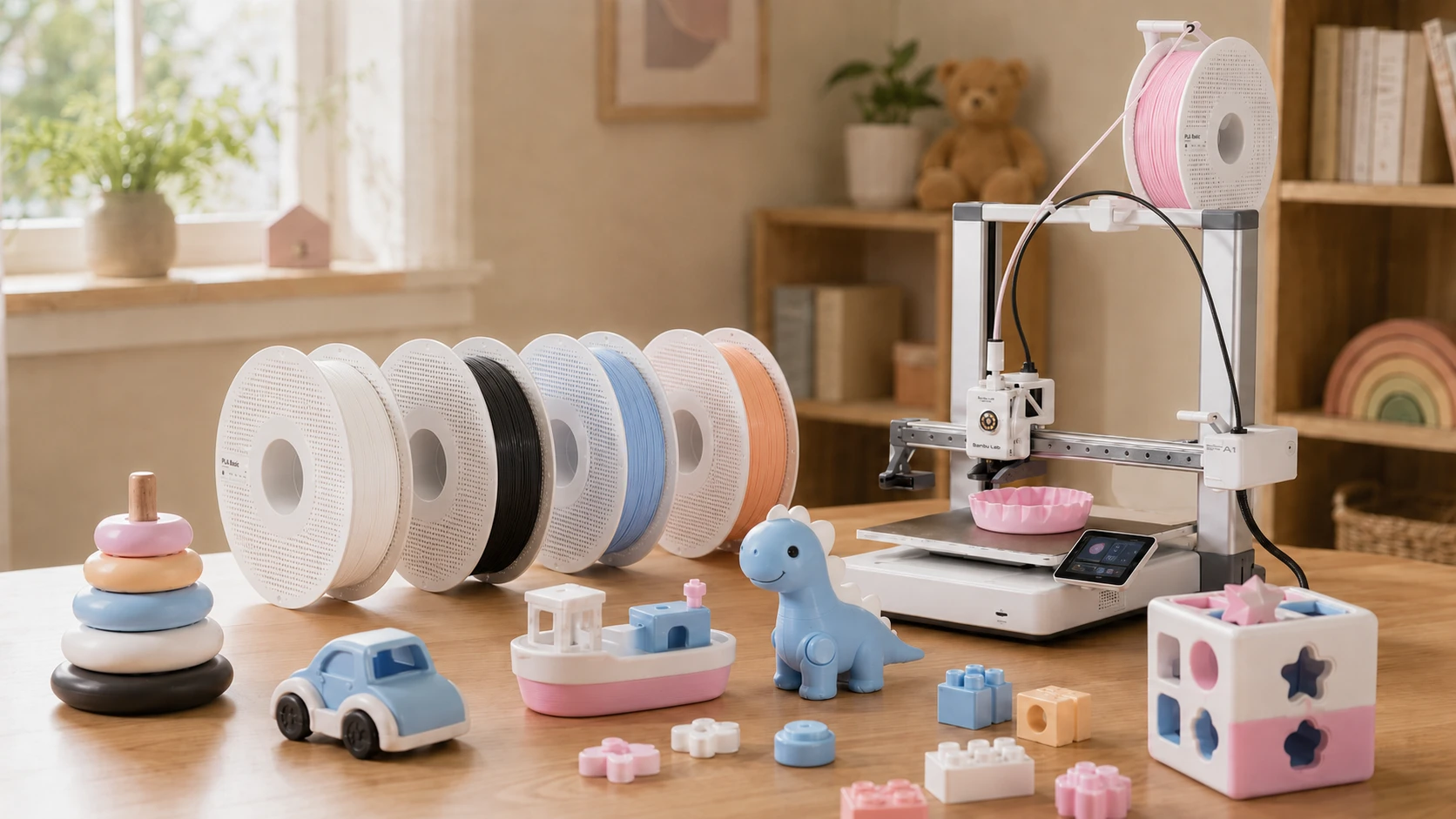
PLA Pure is available in five colors:
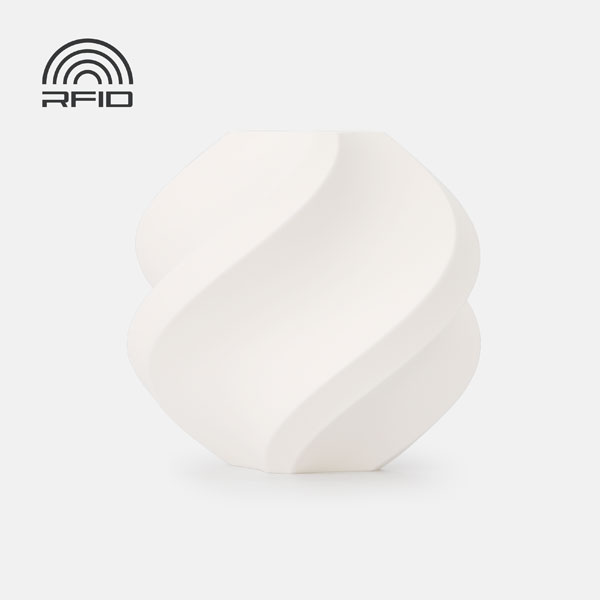
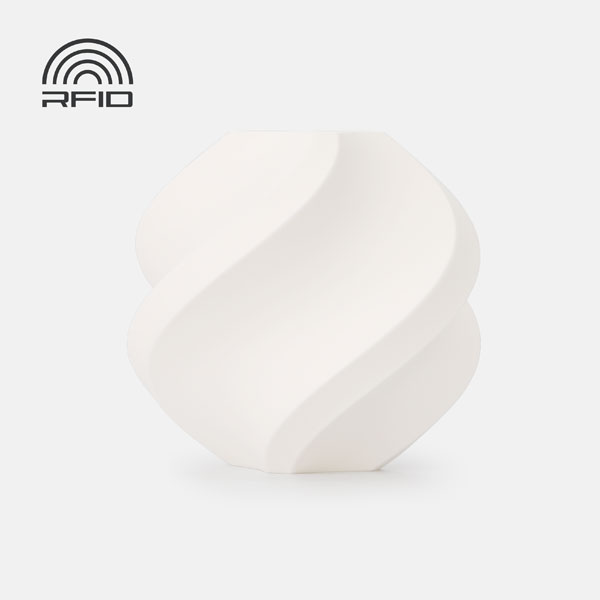
- Pure White
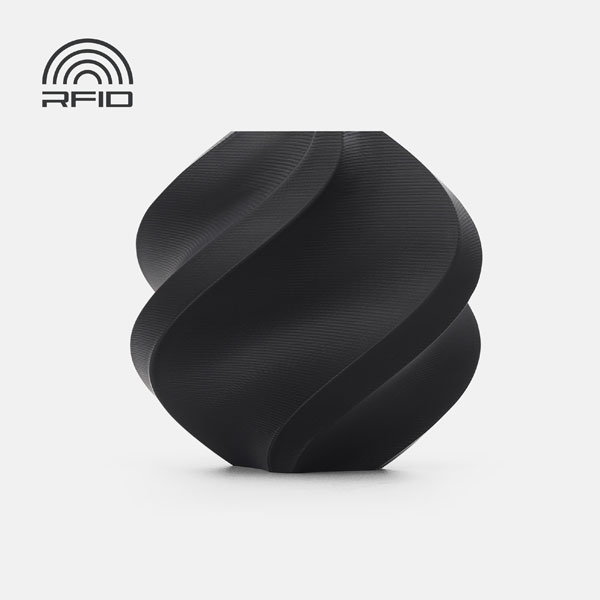
- Absolute Black
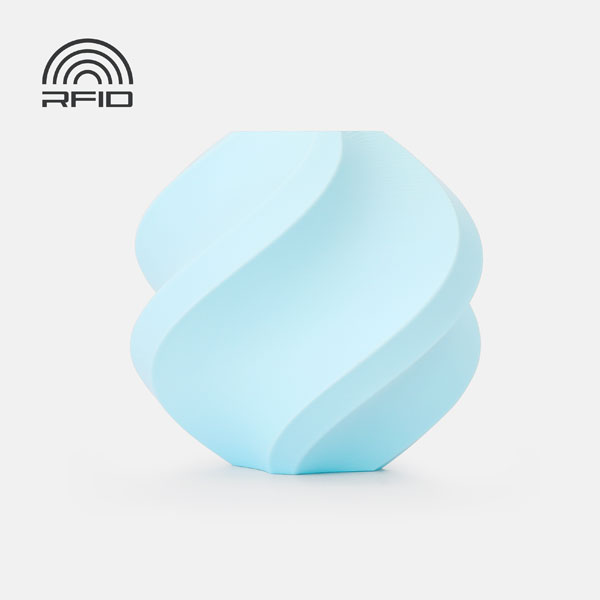
- Baby Blue
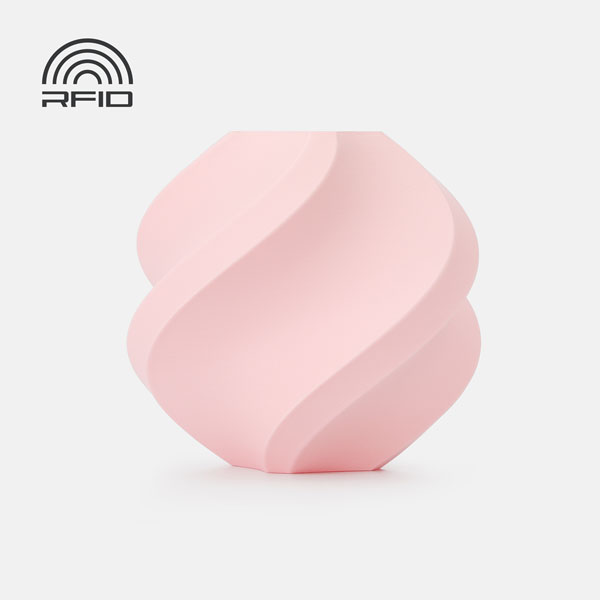
- Milky Pink
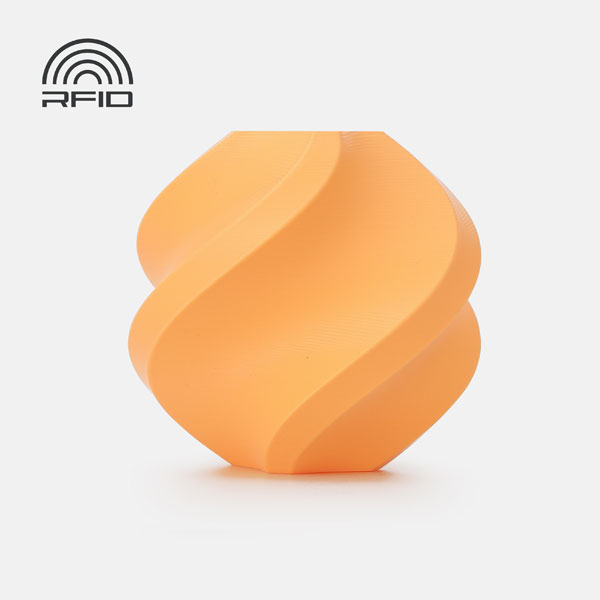
- Apricot
You can choose between a 1 kg spool or a 1 kg refill without a spool.
What makes Bambu Lab PLA Pure special?
PLA has been a popular material for 3D printers for years. It prints easily. It produces neat details. PLA also has little tendency to warp.
Bambu Lab PLA Pure builds on those advantages. However, the filament targets a different application than PLA Basic.
PLA Pure is interesting if you want to pay extra attention to the composition of your filament. Bambu Lab has had the material tested for food contact. A test is also available for toy material.
That makes PLA Pure a good choice for:
- toys and play parts
- educational prints for schools
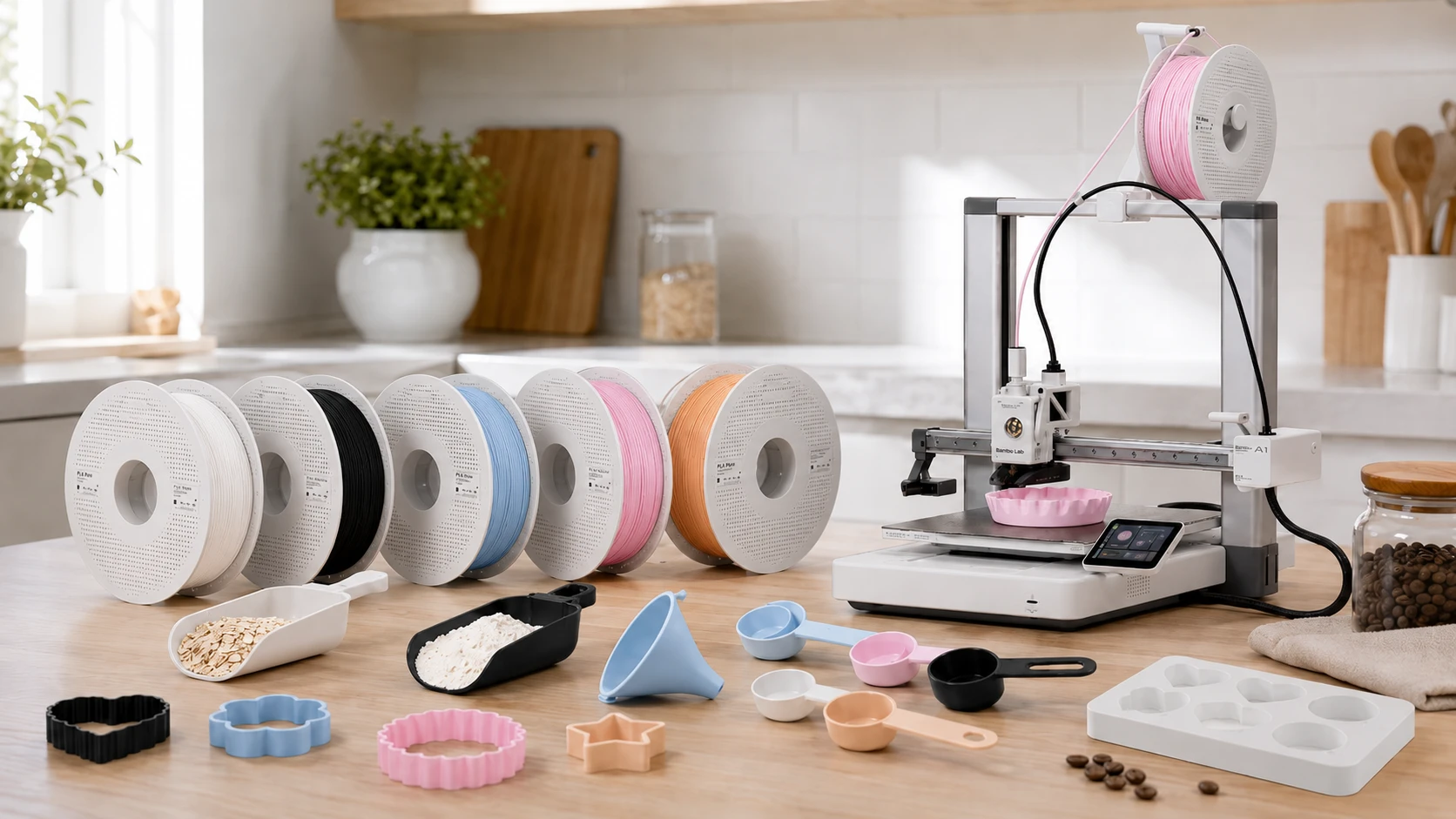
- cookie cutters and measuring spoons
- holders for snacks or packaged food
- kitchen accessories with limited food contact
- gifts for children
- decorative prints for the home
Is Bambu Lab PLA Pure food-safe?
Many people are looking for a food-safe filament. That term does require an explanation.
Bambu Lab PLA Pure has been tested against relevant EU requirements for materials that come into contact with food. This included an assessment of total migration, heavy metals, aromatic amines, bisphenols, odor, and taste.
That is an important difference compared to many standard filaments.
However, a good choice of material is not the only thing that counts. A printed cup, spoon, or bowl is not automatically suitable for every form of food contact. The printing method also remains important.
Therefore, always use a clean nozzle for prints that come into contact with food. Do not print immediately after materials such as ABS, nylon, or carbon fiber filament. Also, clean your build plate thoroughly.
Preferably do not use glue on the build plate. Bambu Lab advises against using glue with PLA Pure, as glue residue can end up on your print. Do you need better adhesion? Then first increase the bed temperature.
Also pay attention to the design. Small grooves between the layers can trap dirt. Therefore, choose simple shapes. Use the print primarily for dry food or short food contact.
Think, for example, of a cookie cutter, a measuring scoop for coffee beans, or a holder for a packaged snack.
Is PLA Pure suitable for children's toys?
PLA Pure is a strong choice for 3D-printed toys. The filament has been tested according to EN 71-3. This test examines the migration of certain elements from toy material.
This is especially relevant for toys that children can touch, hold, or put in their mouths.
The test does say something about the material. It doesn't say everything about your final product.
A good toy design has no sharp edges. It should not break easily. Small loose parts can also pose a risk. Therefore, always think carefully about the shape, age group, and way of playing.
PLA Pure gives you a strong foundation. But you remain responsible for the design you print.
Bambu Lab PLA Pure vs. PLA Basic
PLA Basic is a good filament for everyday use. It is suitable for prototypes, organizers, decoration, and many other prints. PLA Pure has a different focus.
| Characteristic | Bambu Lab PLA Pure | Bambu Lab PLA Basic |
|---|---|---|
| Best for | Toys and prints with food contact | General 3D prints |
| Food contact | Test documentation available | Not the primary position of this filament |
| Toy material | EN 71-3 test report available | Not the primary position of this filament |
| Recommended print speed | Below 200 mm/s | Below 300 mm/s |
| Nozzle temperature | 190 to 230 °C | 190 to 230 °C |
| Bed temperature | 35 to 65 °C | 35 to 45 °C |
| Use glue | Not recommended | Possibly according to the TDS |
| Suitable for AMS | Yes | Yes |
Do you mainly want to print quickly and affordably? Then choose Bambu Lab PLA Basic.
Do you want to print toys or consciously choose a filament with food contact test reports? Then PLA Pure is a better fit for your project.
PLA Basic is also faster. Bambu Lab recommends PLA Basic up to 300 mm/s. For PLA Pure, the recommended print speed is below 200 mm/s.
When is it better to choose a different filament?
PLA Pure is not the best choice for every application.
Do you use your print outdoors? Then ASA is often better. ASA can handle sunlight and rain better.
Does your part require a lot of strength? Then look at PETG, nylon, or an engineering filament. PLA Pure is not a material for heavy mechanical parts.
Does your print often come into contact with heat? Then choose a different material. PLA softens at higher temperatures. Therefore, leaving a part in a hot car or dishwasher is not a good idea.
Use PLA Pure especially when safety, appearance, and material choice are important. Think of toys, creative projects, and simple kitchen prints.
Print settings for Bambu Lab PLA Pure
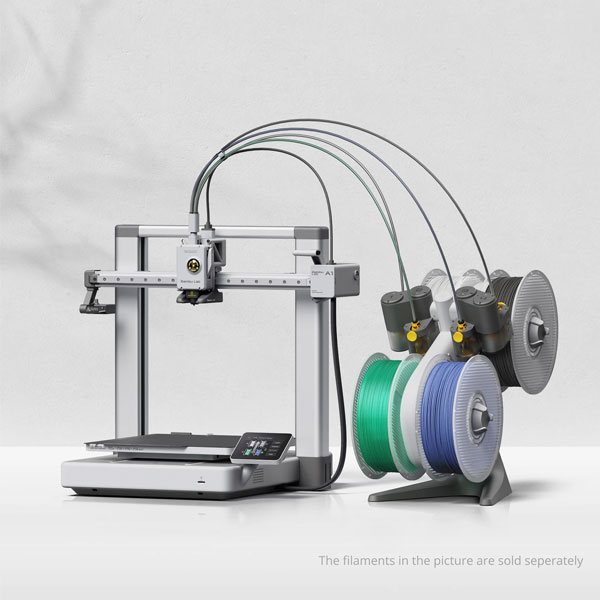
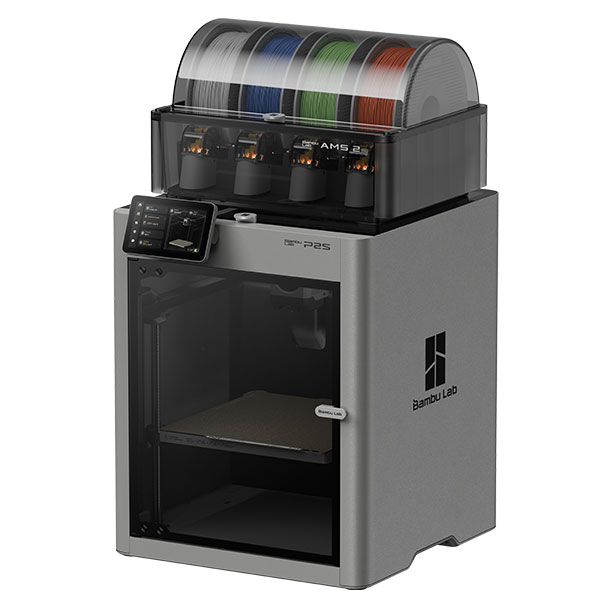
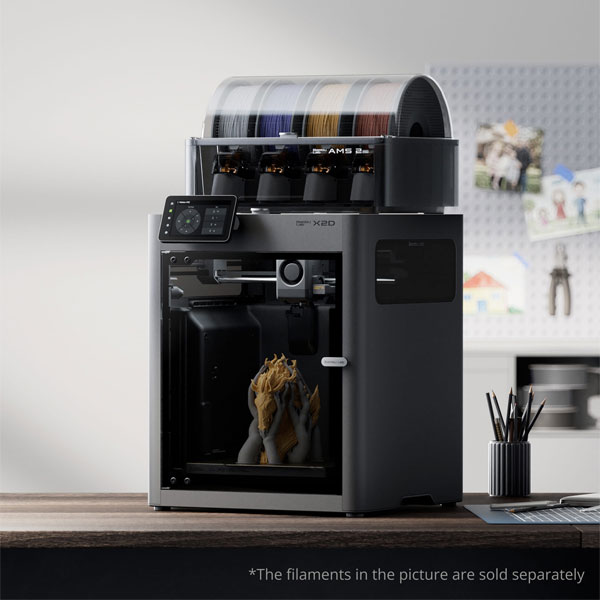
PLA Pure works with all Bambu Lab 3D printers. So you can use it with the Bambu Lab A1, P2S, X2D, and H2D.
The filament also works with:
- Bambu Lab AMS
- AMS Lite
- AMS 2 Pro
- AMS HT
That is useful for prints with multiple colors.
Use these settings as a starting point:
- Nozzle temperature: 190 to 230 °C
- Bed temperature: 35 to 65 °C
- Print speed: under 200 mm/s
- Nozzle: 0.2mm, 0.4mm, 0.6mm or 0.8mm
- Build plate: Textured PEI, Smooth PEI or Cool Plate Supertack
- Cooling: on
- Support: Support for PLA
A 0.4 mm nozzle is the best choice for most prints. This nozzle provides a good mix of speed, detail, and firmness.
Use 0.2 mm for small details. Think of miniatures, small toy parts, or fine text. Use 0.6 mm or 0.8 mm for larger and simpler prints.
Bambu Lab recommends drying PLA Pure first. Do this for eight hours at 50 °C. Then store the filament in a sealed container with desiccant. The humidity must remain below 20% RH.
What colors are there?
Bambu Lab PLA Pure has five muted colors. These go well with toys, interior prints, and creative projects.
Pure White is a good base for functional prints. Absolute Black gives a sleek and modern look. Baby Blue, Milky Pink, and Apricot go well with toys and gift ideas.
View all colors in the Bambu Lab PLA Pure collection.
You can buy PLA Pure with a reusable spool. Do you already have empty Bambu Lab spools? Then choose a refill. That saves waste and costs.
Frequently asked questions about Bambu Lab PLA Pure
Is Bambu Lab PLA Pure suitable for food contact?
PLA Pure has been tested against relevant EU requirements for food contact. The safety of the final print also depends on your printer, nozzle, design, hygiene, and post-processing.
Can I use PLA Pure for children's toys?
Yes, PLA Pure is a good choice for toy projects. The filament has an EN 71-3 test report for toy materials. However, always check your own design for sharp edges, small parts, and the risk of breakage.
Does PLA Pure work in the AMS?
Yes. PLA Pure works with the AMS, AMS Lite, AMS 2 Pro, and AMS HT.
Can I print PLA Pure with a 0.4 mm nozzle?
Yes. A 0.4 mm nozzle is the best choice for most prints.
Is PLA Pure suitable for outdoor use?
No, not if your print is left outside for a long time. For outdoor use, you are better off choosing ASA or PETG.
Do I need to dry PLA Pure?
Yes. Bambu Lab recommends drying PLA Pure at 50°C for eight hours before use.
Buy Bambu Lab PLA Pure
Do you want to make toys, educational models, or kitchen prints? Then choose Bambu Lab PLA Pure.
You can choose from Pure White, Absolute Black, Baby Blue, Milky Pink, and Apricot. The filament is available as a 1 kg spool or as a 1 kg refill.
Also check out our Bambu Lab 3D printers and our full range of 3D printer filament.