Bambu Lab PETG
Bambu Lab PETG is filament for practical parts that need to withstand moisture, heat, and impact. It is suitable for hobbyists and makers printing holders, housings, and accessories for outdoor use. Choose PETG Basic for everyday use, HF for faster printing, Translucent for translucent models, or PETG-CF for extra stiffness. View the colors and versions for your project.
Why choose Bambu Lab PETG?
Bambu Lab PETG combines toughness with good resistance to moisture and heat. This makes it suitable for parts you use every day, such as a holder, housing, or garden accessory.
Compared to standard PLA, PETG is more heat-resistant and less brittle. During printing, it generally warps less easily than ABS. Furthermore, unfilled PETG variants do not require an enclosed print chamber. This makes PETG accessible to many different 3D printers.
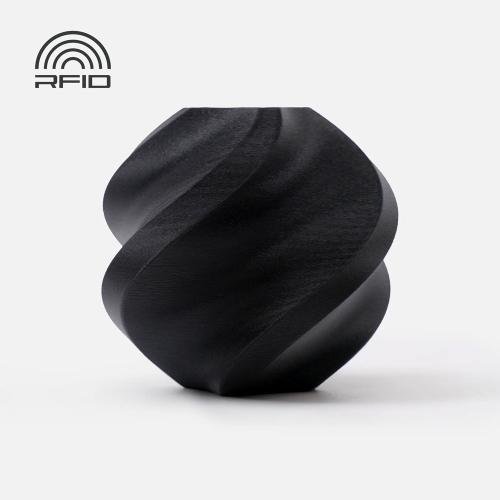
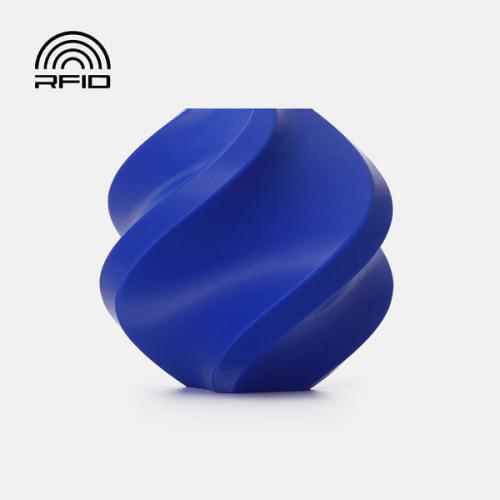
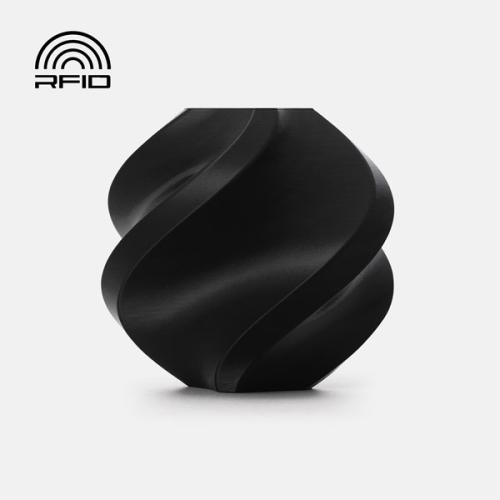
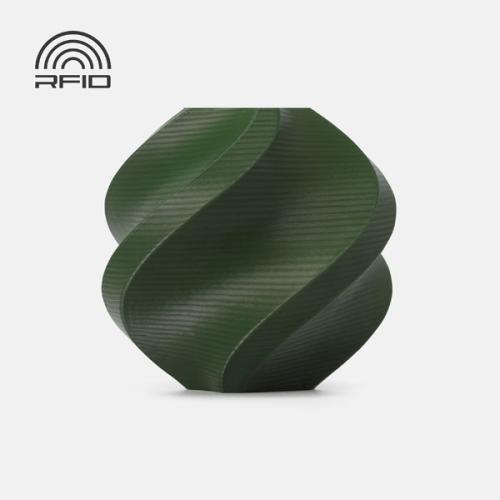
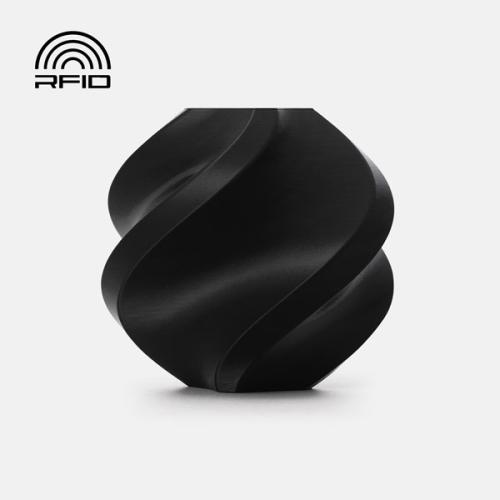
Use Bambu Lab PETG with the appropriate material profile in Bambu Studio. This is how you start with the settings for your variant. Via a suitable AMS, the RFID tag can assist with automatic material recognition. Always check your material profile, nozzle, and build plate before printing.
When is PETG better than PLA?
For figurines, scale models, and decoration , Bambu Lab PLA is often a logical choice. It prints easily and is suitable for detailed models. PETG becomes more interesting when your part needs to withstand moisture, impact, or a bit more heat.
- Choose PLA for decoration, prototypes, and simple indoor parts.
- Choose PETG for practical prints that do not need to be brittle or come into contact with moisture.
- Compare ABS when you need more heat resistance and use a suitable, enclosed printer.
PETG is not stronger than PLA in every respect. Standard PLA is usually stiffer than unfilled PETG. PETG, on the other hand, has a better yield before breaking. Which property is more important depends on your design and the load.
For warmer applications , Bambu Lab ABS may be a better fit. Take into account the additional requirements for the printer and printing environment.
For which projects is Bambu Lab PETG suitable?
PETG is suitable for many practical projects for home, your workshop, and outdoors. You can use it to make parts that you regularly handle or assemble. Examples include:
- Holders and brackets: for sensors, accessories, and light devices.
- Housings: for electronics, measuring equipment, and hobby projects.
- Garden accessories: plant supports, nameplates and mounting clips.
- Workshop accessories: storage bins, tool holders and assembly aids.
- Prototypes: parts used to test fit, assembly, and daily use.
- Light-transmitting models: decorative panels and covers with PETG Translucent.
Match the wall thickness and print direction to the intended use. A thin part can break even with tough filament. For outdoor use, sunlight, temperature, and load also play a role.
Printing PETG with a Bambu Lab 3D printer
Unfilled PETG variants are suitable for the Bambu Lab A1, A1 mini, and P1S, among others. A closed housing is not required for this. PETG-CF requires extra attention regarding the nozzle, extruder, and material feed.
Use the profile for your PETG variant
Select the correct filament, printer, and build plate in Bambu Studio. Do not automatically use the PETG Basic or PETG-CF settings for PETG HF. These variants differ in flow and suitable print speed.
For PETG HF and PETG Translucent, Bambu Lab specifies a nozzle temperature of 230 to 260 °C. For PETG-CF, this is 240 to 270 °C. The product information mentions a bed temperature of 65 to 75 °C when using adhesive. Follow the profile and instructions for your specific build board.
Dry the filament before use
PETG absorbs moisture from the air. This can cause bubbles, a rough surface, and threads between parts of your print. Bambu Lab recommends pre-drying for PETG HF, Translucent, and PETG-CF, among others.
Use the drying settings that match the filament and your dryer. Then store the roll sealed with desiccant. A sealed box helps keep the material dry, but does not actively dry damp filament.
Pay attention to the adhesion to your construction board.
PETG can adhere very strongly to a smooth build plate. Use the recommended adhesive layer on the Bambu Smooth PEI Plate. This also helps protect the plate when removing your print. Allow the model to cool first and follow the build plate instructions.
Check your printer parts for PETG-CF
The carbon fibers in PETG-CF cause extra wear. Therefore, use a hardened steel nozzle and check if your extruder is suitable. A 0.4 mm nozzle is acceptable, but Bambu Lab recommends 0.6 mm to limit clogging. A 0.2 mm nozzle is not suitable.
Buying Bambu Lab PETG: what to look for?
First, choose the material variant that suits your application. Then, look at the color, finish, and compatibility with your printer. These differences will help you get started:
- PETG Basic: a versatile choice for everyday parts, containers, and housings.
- PETG HF: developed for higher print speeds. Suitable if you want to quickly produce practical parts. The actual time savings depend on your model and settings.
- PETG Translucent: for translucent prints and color effects with light. The wall thickness, fill, and settings determine how much light your model lets through.
- PETG-CF: PETG with carbon fibers for extra stiffness and a distinctive surface structure. Interesting for parts that must not flex as much.
Also check whether you are ordering filament with a spool or a refill. You place a refill on a suitable, reusable spool. Choose a roll with a spool if you do not yet have a suitable empty spool. Not every variant and color is available in both versions.
Do you use an AMS? PETG HF and Translucent are compatible with AMS and AMS lite. Bambu PETG-CF works with AMS, AMS 2 Pro, and AMS HT, but not with AMS lite.
Order Bambu Lab PETG from Elektronica voor jou
Elektronica Voor Jou is an official Bambu Lab reseller in the Netherlands. We offer PETG in various colors, variants, and finishes. Check the current stock and availability for each product.
If you order a product that is in stock on a working day before 16:00, we will ship it the same day. Pickup in Leusden is also possible. Unsure about the material or your printer? Contact us for help with your choice.
Frequently asked questions about Bambu Lab PETG
Is Bambu Lab PETG stronger than PLA?
That depends on the variant and the load. Unfilled PETG is generally tougher and more heat-resistant than standard PLA. PLA is usually stiffer. Therefore, look at the properties your part requires.
When should I choose PETG instead of ABS?
Choose PETG if you want to print practical parts with a lower risk of warping. Unfilled PETG is also perfectly usable on an open printer. ABS becomes more interesting if you require greater heat resistance and use a suitable, closed printer.
Can I use Bambu Lab PETG outdoors?
Yes, PETG is suitable for many outdoor applications. It is resistant to moisture and is better suited for heat than standard PLA. The lifespan depends on the variant, solar load, and design. For prolonged exposure to bright sunlight, ASA is also worth comparing.
What is the difference between Bambu Lab PETG and PETG-CF?
PETG-CF contains carbon fibers that make the material stiffer. The fibers also give your print a different surface texture. You need a hardened nozzle and suitable printer parts for this. Unfilled PETG places lower demands on wear resistance.
Is Bambu Lab PETG suitable for beginners?
Yes, unfilled variants in particular are accessible with a suitable material profile. Drying and proper bed adhesion do require attention, however. Have you never printed before? Then PLA is usually the easiest place to start.
Why does PETG form threads between parts of my print?
This is called stringing. Damp filament, excessive temperature, or unsuitable settings can cause this. Start with dry filament and the correct Bambu Studio profile. Then adjust the settings step by step.