Bambu Lab ABS
Bambu Lab ABS is filament for technical parts that need to withstand heat and impact. You use it for housings, holders, and working prototypes. It is more heat-resistant than standard PLA and PETG. Print ABS in a closed 3D printer and ensure good ventilation. View the colors and choose the version that suits your project.

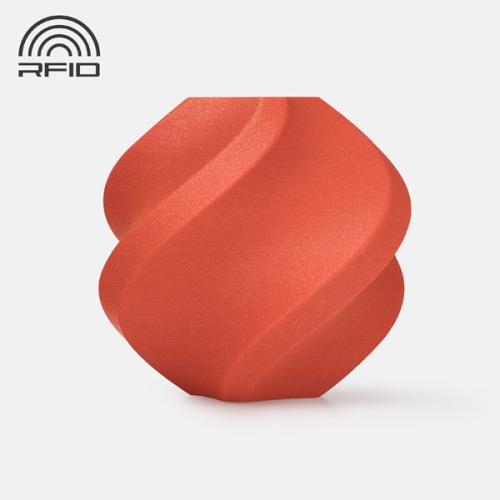
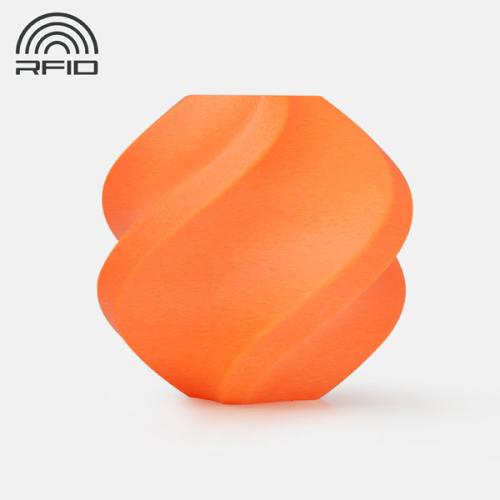
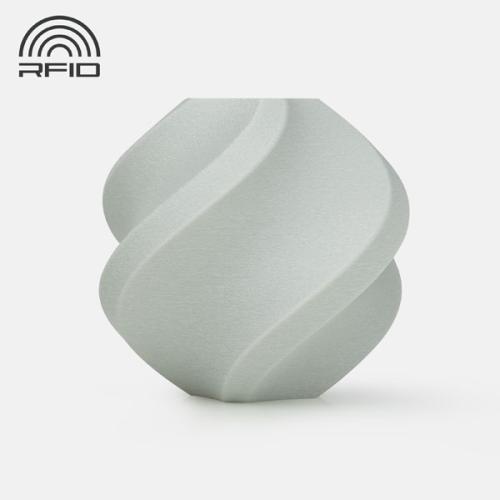

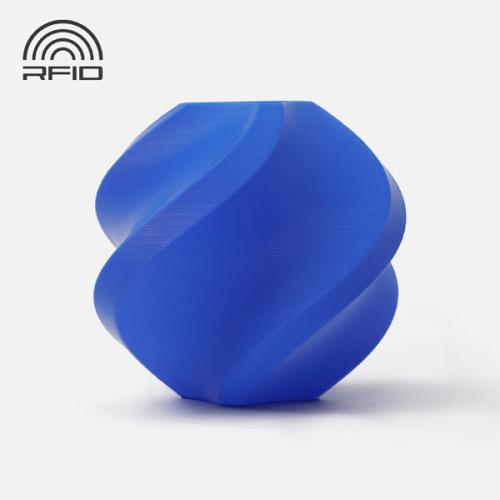
When do you choose Bambu Lab ABS?
Choose Bambu Lab ABS when your part needs to withstand heat and impact. ABS is a tough plastic that deforms less easily due to heat than standard PLA and PETG. This makes it suitable for many technical applications.
For decoration and simple models, Bambu Lab PLA is often sufficient. Do you want to make practical parts with less risk of warping during printing? Then PETG filament is an accessible choice. ABS becomes interesting if you need more heat resistance and use a suitable, enclosed printer.
ABS is not stronger than PLA in every respect. Standard PLA, for example, is stiffer, whereas standard ABS can withstand impact better. The best material therefore depends on the load. Your design, layer adhesion, and print direction also determine how much a part can handle.
Standard ABS or ABS-GF?
Standard Bambu Lab ABS is suitable for parts where toughness and heat resistance are important. ABS-GF contains glass fibers and is stiffer. It flexes less and retains its shape better during printing.
ABS-GF is suitable for mounting aids, brackets, and housings where rigidity is important. The glass fibers also give the surface a matte texture. However, this variant is less impact-resistant than standard ABS. Therefore, do not automatically choose ABS-GF for parts that take a lot of knocks.
What can you make with Bambu Lab ABS?
With ABS, you make parts that you actually use and test. The material is particularly useful when standard PLA is too sensitive to heat. Consider these applications:
- Electronic housings: cases and covers where greater heat resistance is desired.
- Holders and brackets: parts that must be able to withstand impact during normal use.
- Working prototypes: models with which you test assembly, fit, and daily use.
- Tools for your workshop: positioning aids, assembly aids, and tool holders.
- Replacement parts: knobs, caps, and handles for suitable applications.
Tailor the design to the forces and temperatures you expect. Greater heat resistance does not mean that ABS can withstand every heat source. Therefore, test a part under the conditions in which you will use it.
Is your 3D printer compatible with Bambu Lab ABS?
For reliable ABS prints, use an enclosed 3D printer with a heated print bed. The housing keeps the temperature around your model stable, reducing the risk of warping and cracking between the layers. The Bambu Lab P1S, for example, is suitable for standard ABS.
Check these points before purchasing:
- Enclosed print chamber: protects your model from drafts and rapid cooling.
- Sufficient temperature: the nozzle and the print bed must be able to handle the settings of the ABS profile.
- Suitable build board: use a board suitable for ABS, with the recommended adhesive.
- Ventilation: Print in a well-ventilated workspace. A closed printer does not replace ventilation.
- Suitable consumables: for ABS-GF, check whether the nozzle and extruder are suitable for glass fiber filament.
For standard Bambu Lab ABS, the filament guide lists a nozzle temperature of 240 to 280 °C. For smooth and textured PEI build plates, it lists 90 to 100 °C. Use the corresponding Bambu Studio profile as a starting point. The correct settings also depend on your printer and build plate.
For ABS-GF, preferably use a hardened steel nozzle. A 0.2 mm nozzle is not suitable. With the P1S, upgrades to the hotend and extruder are required before using glass fiber filament.
Tips for printing with Bambu Lab ABS
A stable temperature and good bed adhesion make a big difference with ABS. Start with the correct material profile in Bambu Studio. Check the first layer before running a long print.
- Clean the build board. Grease and dirt can reduce adhesion. Follow the maintenance instructions for your board.
- Use the recommended adhesive. This helps prevent corners from coming loose during printing.
- Add a brim if necessary. This is an extra edge around your model that increases the contact surface.
- Prevent drafts. Keep the printer closed while printing and avoid cold air currents along the model.
- Use appropriate cooling. Use the fan settings from the ABS profile as a starting point.
- Choose the filling carefully. Large models with a lot of filling can build up more tension and warp.
- Keep the filament dry. Store it sealed with desiccant. Dry damp filament according to Bambu Lab's instructions.
Allow your print to cool down gradually afterwards. Do not forcefully pull a hot part off the build plate. This reduces the risk of deforming the model.
Buy Bambu Lab ABS at Electronics for you
Elektronica Voor Jou is an official Bambu Lab reseller in the Netherlands. We offer standard ABS and glass fiber reinforced ABS-GF in various colors. Check the version, stock, and availability for each product.
For a refill, you need a suitable, reusable spool. Therefore, please check whether you are ordering a roll with or without a spool. If you order a product that is in stock on a working day before 16:00, we will ship it the same day.
Unsure whether to choose ABS, ABS-GF, or another material? Contact us for help with your decision. We will help you choose the filament and the requirements for your printer.
Frequently asked questions about Bambu Lab ABS
Is Bambu Lab ABS stronger than PLA?
That depends on what you mean by stronger. Standard ABS is more impact-resistant and heat-resistant than standard PLA. PLA, on the other hand, is stiffer. So, choose based on the load, temperature, and desired properties of your part.
Can I use Bambu Lab ABS with any Bambu Lab printer?
No, not every model is equally suitable. For regular ABS printing, choose a closed printer, such as the P1S. Bambu Lab advises against using ABS for the A1 mini. Small models are sometimes possible on the A1, but larger prints have a higher risk of warping and weak layer adhesion.
Why does ABS warp during printing?
ABS shrinks when it cools down. Do parts of your model cool down unevenly? If so, tension builds up and corners of the print bed can come loose. An enclosed print chamber, good bed adhesion, and a brim help limit this.
Is Bambu Lab ABS suitable for beginners?
ABS requires more attention than PLA, especially regarding temperature, bed adhesion, and ventilation. With a suitable printer and the right profile, you can get started. Do you have little printing experience? Then familiarize yourself with your printer using PLA first.
What is the difference between ABS and ABS-GF?
ABS-GF is ABS with glass fibers. These make the material stiffer and reduce deformation during printing. Standard ABS, on the other hand, is more impact-resistant. Furthermore, ABS-GF requires wear-resistant printer parts suitable for glass fiber-containing filament.
Can Bambu Lab ABS pass the AMS?
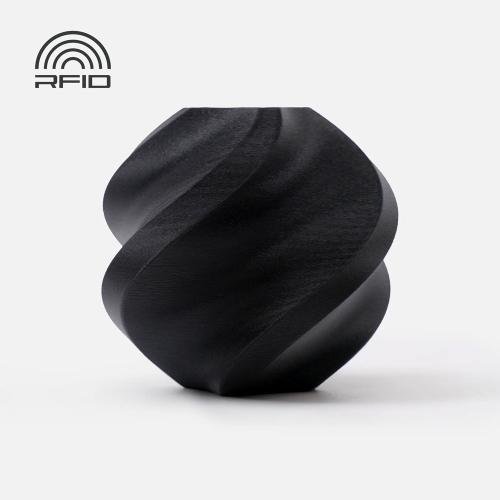
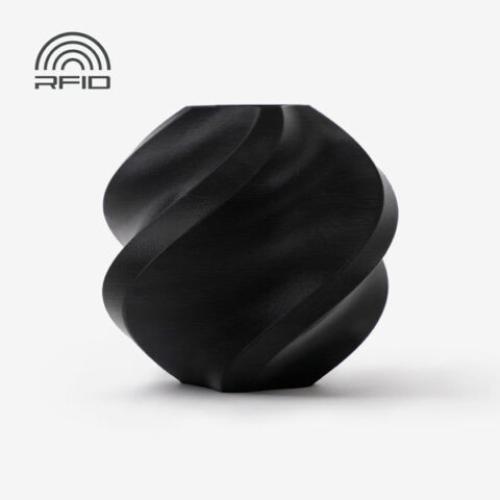
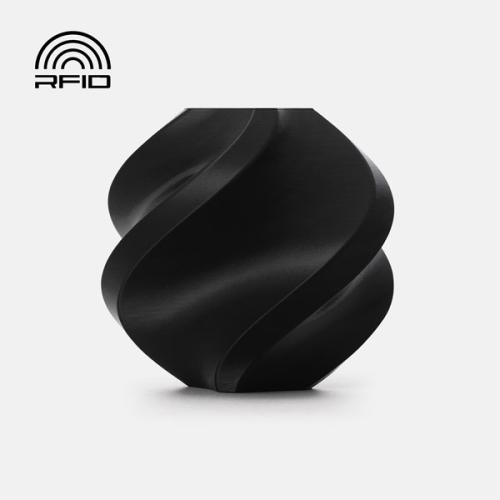
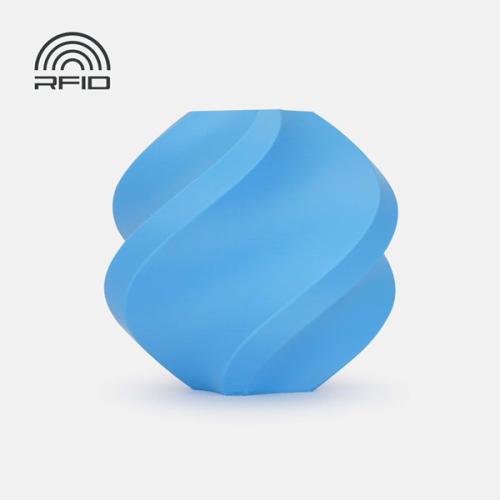
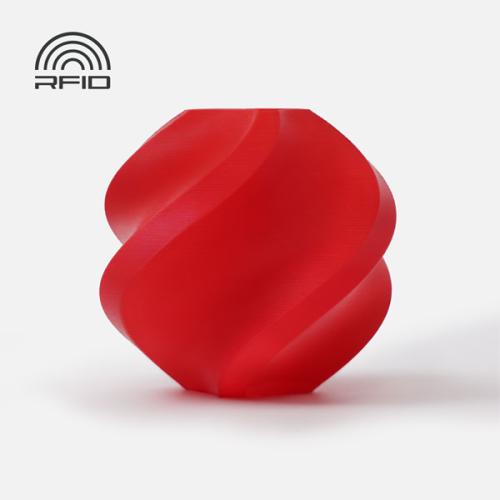
Standard Bambu Lab ABS is compatible with the original AMS. The RFID tag helps the system recognize the material. Always check specific compatibility for ABS-GF and other AMS models. Furthermore, compatible filament feed does not automatically mean that your printer is compatible with ABS.
Is ABS suitable for long-term outdoor use?
ABS is resistant to moisture but is less suitable for prolonged exposure to sunlight. For outdoor parts, ASA is often a better choice due to its UV resistance. When choosing your material, also take temperature and mechanical stress into account.